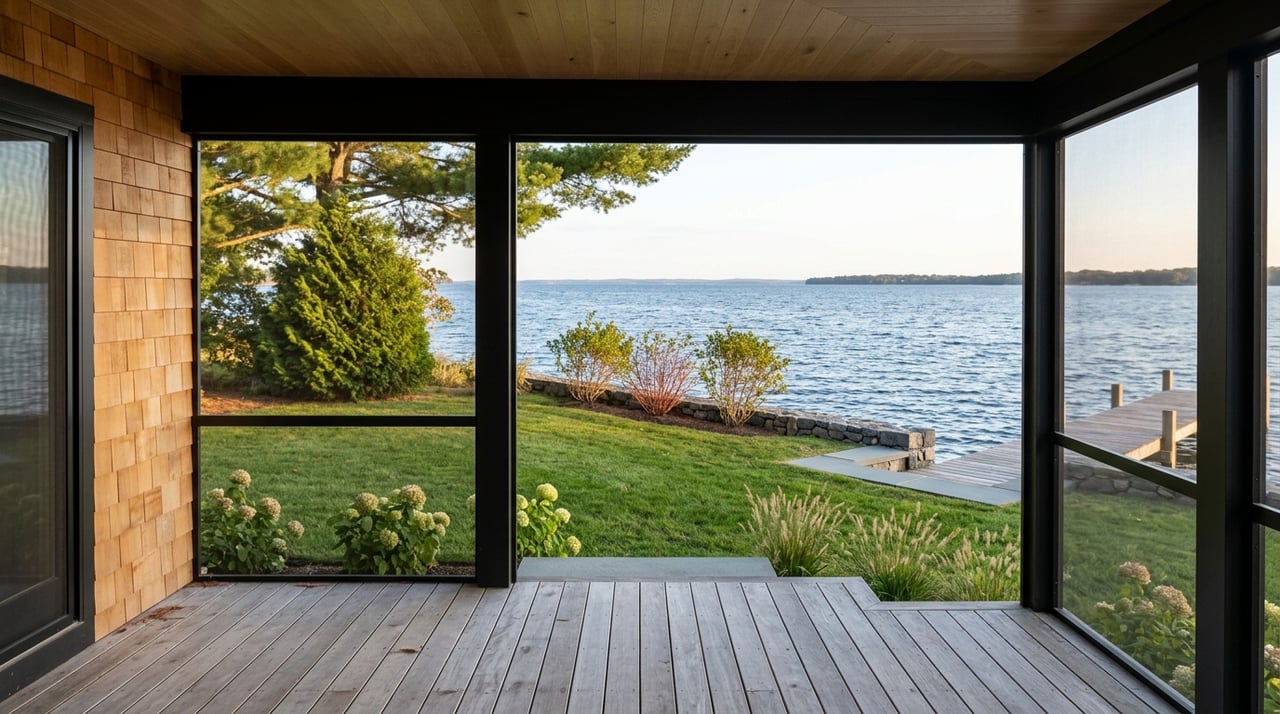
If you are dreaming about life on Northern Michigan water, the Chain of Lakes can feel like the perfect fit. But buying “on the chain” is not as simple as picking a lake and writing an offer, because water conditions, boating patterns, shoreline rules, and property types can vary a lot from one section to the next. Knowing those differences upfront can help you buy with more confidence and fewer surprises. Let’s dive in.
The Chain Is Not One Uniform Market
In Antrim County, the Chain of Lakes is part of a much larger 100-plus-mile water trail in northwest Michigan. According to the Michigan Department of Natural Resources, the system spans four counties, includes 12 interconnected lakes and rivers, offers 84 access sites, and eventually flows into East Grand Traverse Bay.
That big-picture map matters when you start shopping for property. Two homes can both be marketed as being on the Chain of Lakes, yet offer very different day-to-day experiences depending on where they sit in the system.
Upper Chain vs Lower Chain
The chain is split into Upper and Lower sections by a dam in Bellaire. On the upper side, the route includes waters such as Six Mile Lake, St. Clair Lake, Ellsworth Lake, Wilson Lake, Benway Lake, Hanley Lake, Intermediate Lake, and the Intermediate River connection into Bellaire.
On the lower side, the route includes Lake Bellaire and Grass River, Clam Lake and Torch Lake, plus Torch River toward Elk Lake. Paddle Antrim describes many upper-chain routes as beginner or intermediate, while lower-chain routes are more often intermediate to advanced because they involve larger lakes, longer crossings, and greater exposure to wind and boat traffic.
For you as a buyer, that means the phrase chain access does not tell the whole story. A quiet river stretch, a smaller inland lake, and a large open-water Torch Lake parcel may all be part of the same chain, but they can live very differently.
Water Conditions Can Change Your Lifestyle
Before buying, it helps to think beyond the view. Ask yourself how you want to use the water, because that answer should shape where you focus your search.
If you picture easy paddling, calmer stretches, and a more sheltered feel, some upper-chain locations may line up better with that goal. If you want broad lake views, bigger boating, and more open water, lower-chain properties may be a closer fit, but they can also come with more exposure to wind, waves, and traffic.
Boat Traffic and Wind Matter
Paddle Antrim notes that lower-chain routes can bring moderate waves when it is windy and tend to have more motorized traffic on the larger lakes. That can affect everything from dock use to swimming conditions to how comfortable you feel taking out a smaller watercraft.
By contrast, some easier routes have access sites every three to four miles, while advanced routes can have as much as twelve miles between sites. That is another reminder that one part of the chain may feel accessible and relaxed, while another feels broader, busier, and more weather-dependent.
Channel and River Areas Have Their Own Rhythm
Some connecting waters are subject to local slow-no wake rules in Antrim County. Those controls apply to the Clam River, Grass River, Intermediate River, the channels connecting Intermediate, Hanley, Benway, Wilson, Ellsworth, and St. Clair lakes, and the Torch River with the adjacent Torch Lake mouth area.
That can be a positive if you want a calmer feel near your shoreline. It also means your boating pattern may differ depending on whether your property is on a channel, river section, or larger open lake.
Public Access Affects Day-to-Day Use
Even if you are buying private waterfront, nearby public access still matters. Access points can influence seasonal traffic, parking patterns, launch activity, and how busy the water feels during peak times.
Michigan’s boating access finder can help verify launch lane count, parking, closures, and local watercraft controls before you tour or make an offer. That is a practical step worth taking if easy launching, lower nearby traffic, or specific water access features matter to you.
Examples of Access Sites on the Chain
Local access examples mentioned in the research include:
- Forest Home Township Family Park on Torch Lake, with a walk-in launch for small boats
- Gorham Beach Park on Intermediate Lake
- Miley's Beach on Lake Bellaire
- DNR sites including Ellsworth Lake, Clam Lake, Lake Bellaire, Wilson Lake, Torch River Bridge, Torch Lake west side, and Elk Lake
These details may seem small at first, but they can shape your experience once you own the property.
Shoreline Rules Are Not the Same Everywhere
One of the biggest mistakes buyers make is assuming all chain frontage follows the same rules. It does not. The chain crosses multiple jurisdictions, so zoning, shoreline protection standards, and permit requirements can change based on the township or municipality.
That means you should confirm what is allowed on the specific parcel you are considering, not just on the lake in general.
Forest Home Township Example
Forest Home Township’s current zoning ordinance requires a 50-foot shoreline protection strip. It also requires native vegetation to be retained or reestablished over 80% of the first 30 feet and 50% of the next 20 feet, and it requires a township permit before earth changes or vegetation removal within that strip.
The ordinance also allows one dock per parcel with lake or stream frontage. If you are buying in Forest Home Township, those rules can directly affect your landscaping plans, shoreline cleanup ideas, and dock expectations.
Docks, Boat Hoists, and Shoreline Work Need Review
On waterfront property, buyers often focus on what is already there. Just as important is what you hope to change later.
According to EGLE, permits are required for dredging, filling, structures on bottomlands, marina work, interfering with natural water flow, and related inland lake and stream projects. EGLE’s dock guidance says a permanent dock or boat hoist generally requires a permit, while a seasonal private non-commercial dock or boat hoist usually does not if it is removed at season’s end and does not unreasonably interfere with others or water flow.
Look Closely at Future Plans
If you are thinking about adding a permanent dock, reshaping shoreline, clearing vegetation, or doing larger waterfront improvements, check permit pathways before closing. Wetland fill, dredging, and construction in wetlands also require EGLE permits.
For larger shoreline work, Antrim County’s soil erosion program says a permit is required for earth work or grade changes within 500 feet of a waterway, or for projects over one acre. In other words, a “simple” project can quickly become a regulated one.
Wells and Septic Should Be Part of Due Diligence
Many Chain of Lakes properties in this rural waterfront market rely on private wells and septic systems. That is common, but it also means system age, size, condition, and permit history deserve careful review.
The Health Department of Northwest Michigan handles septic and well permits in Antrim County and notes that its application is often used for buy-sell situations. The same agency also states that current time-of-transfer evaluations are required when selling property in Milton Township, Torch Lake Township, Village of Elk Rapids, and Elk Rapids Township.
Why This Matters for Buyers
A charming cottage or updated lake house can still have an older system behind the scenes. Before you buy, it is smart to understand:
- Whether the well and septic are private
- The age and known maintenance history of each system
- Whether permit records are available
- Whether a time-of-transfer evaluation applies to the property’s location
These details can affect both your budget and your renovation plans.
Expect a Mix of Property Types
The Chain of Lakes market in Antrim County is not a one-style waterfront market. Forest Home Township’s master plan describes a long history of family farms, year-round homes, seasonal homes, and waterfront commercial uses, with residential land being the most common use and mostly made up of single-family dwellings.
The same plan notes that many cabins and cottages have been modernized or replaced by larger year-round homes. That helps explain why your search may include everything from older seasonal cottages to updated full-time residences and larger newer waterfront homes.
One Parcel Can Feel Very Different Than the Next
Some shoreline stretches are developed at relatively high density, while others remain lower density or more natural. The feel can also change dramatically based on whether the lot sits on a quiet river-like section, a smaller lake, or a more exposed open-water setting such as Torch or Elk Lake.
That is why local context matters so much. It is not just about square footage or frontage. It is about how the parcel functions, what the water feels like, and how the location matches the way you plan to use it.
A Smart Buyer Checklist
Before you buy on the Chain of Lakes, make sure you are asking the right questions:
- Which part of the chain is this property on?
- Is the water generally calmer, narrower, or more open and exposed?
- Are there slow-no wake rules near this parcel?
- What public access sites are nearby?
- Which township or municipality governs the parcel?
- What shoreline protection or vegetation rules apply?
- Is the existing dock seasonal or permanent?
- Would my future shoreline or dock plans require permits?
- Are the well and septic private, and what is their history?
- Does a time-of-transfer septic evaluation apply here?
A clear answer to these questions can save you time, money, and frustration later.
Local Guidance Makes a Difference
Buying on the Chain of Lakes is often about much more than finding a pretty shoreline. You are choosing a specific water experience, a specific set of local rules, and a property that may have long-term maintenance and permitting considerations.
That is where local knowledge really matters. With deep experience in Northern Michigan waterfront markets, Pat O'Brien & Associates helps buyers look beyond the listing photos and evaluate how a property truly fits their goals, whether you are searching for a seasonal cottage, a year-round home, vacant land, or a legacy waterfront retreat. If you are thinking about buying on the Chain of Lakes, connect with Pat O'Brien for knowledgeable, practical guidance.
FAQs
What should buyers know about Chain of Lakes water conditions in Antrim County?
- Properties on the chain can have very different water conditions depending on location, with some upper-chain areas feeling more sheltered and some lower-chain areas having more wind exposure, waves, and boat traffic.
What should buyers know about boating rules on the Chain of Lakes?
- Antrim County has slow-no wake controls on several rivers, channels, and connecting waters, including parts of the Clam River, Grass River, Intermediate River, and Torch River areas.
What should buyers know about docks on Chain of Lakes properties?
- EGLE says permanent docks or boat hoists generally require permits, while seasonal private non-commercial docks usually do not if they are removed at the end of the season and do not interfere with water flow or others.
What should buyers know about shoreline permits in Antrim County?
- Depending on the project and location, permits may be required for shoreline work such as dredging, fill, wetland construction, earth changes, vegetation removal, or grade changes near the water.
What should buyers know about wells and septic on Chain of Lakes homes?
- Many properties use private wells and septic systems, so buyers should review system age, capacity, permit history, and whether a local time-of-transfer evaluation is required.
What types of homes are common on the Chain of Lakes in Antrim County?
- Buyers will typically find a mix of older seasonal cottages, upgraded year-round homes, and some larger newer waterfront houses rather than one uniform property type.