If you are thinking about buying a condo on Lake Charlevoix in Boyne City, you are probably looking for more than just square footage. You may want easy water access, a low-maintenance second home, walkability near downtown, or a property that fits your long-term plans. The right condo can check those boxes, but only if you understand the lake, the city rules, and the condo association before you buy. Let’s dive in.
Why Boyne City draws condo buyers
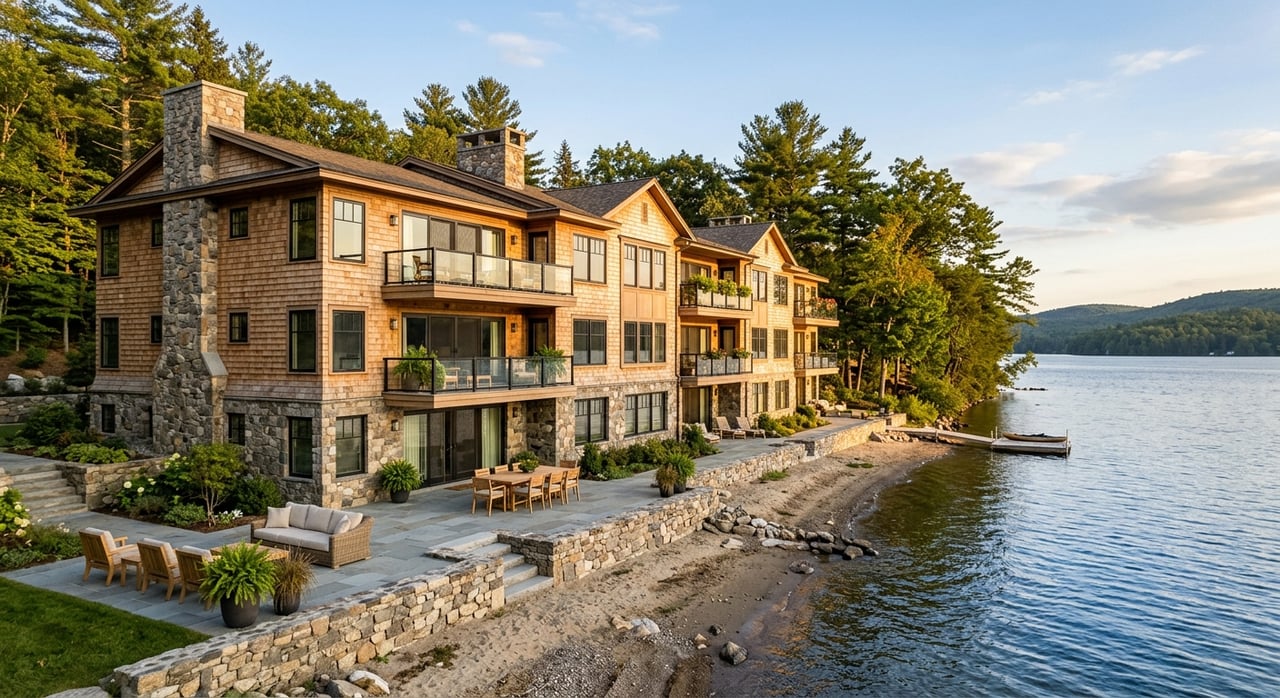
Boyne City sits on the southeast end of Lake Charlevoix, a lake that is about 14 miles long and roughly 27 square miles. According to the city’s marina planning documents, the lake supports boating, fishing, and swimming, with access to Lake Michigan through the Charlevoix channel and Round Lake. That setting is a big reason buyers look here for both full-time and seasonal ownership.
The waterfront also plays a central role in daily life. The Boyne City master plan describes downtown and the waterfront as a blend of recreational, cultural, commercial, and residential uses. The city also operates a 42-slip municipal marina, a public boat launch, and short-term docking near the Boyne River mouth, which makes location, parking, and access especially important when you compare condos.
For many buyers, the appeal goes beyond summer. Young State Park sits just outside Boyne City on the eastern shore of Lake Charlevoix, and Boyne Mountain brings year-round activity to the area. If you are buying a second home, that four-season lifestyle can add to the property’s usefulness, though rental potential still depends on each condo project’s rules and location.
What makes a Lake Charlevoix condo stand out
Not every condo offers the same value, even when the address looks great on paper. In Boyne City, buyers often focus on a few practical features that shape both enjoyment and resale.
Water access and marina convenience
If being near the lake is your top priority, look closely at what kind of access comes with the unit. A condo may offer views, shared frontage, dock access, or proximity to the marina, but those are not the same thing. You will want to confirm whether boat slips, dock space, and storage are deeded, assigned, or handled through a waitlist.
Walkability to downtown
Downtown Boyne City’s waterfront setting is part of what gives condo living here its appeal. Being able to walk to shops, dining, parks, or the marina can make day-to-day ownership easier and may strengthen future buyer interest. If you are comparing two similar units, the one with easier downtown access may offer more long-term flexibility.
Parking and lock-and-leave ease
For many condo buyers, especially seasonal owners, convenience matters as much as the unit itself. Assigned parking, guest parking, snow removal, secure access, and elevator availability can all affect how easy the property is to use. These details may not feel exciting at first, but they often matter a lot after closing.
Read the condo documents carefully
In Michigan, condo due diligence is not optional. Under the Michigan Condominium Act, each co-owner, tenant, and occupant must comply with the project’s master deed, bylaws, and rules. That means your intended use of the condo needs to match what the association allows.
You should read the master deed, bylaws, current rules, and budget before moving forward. These documents can tell you whether the condo works for your plans as a primary residence, second home, seasonal getaway, long-term rental, or short-term rental. They can also clarify pet policies, guest use, parking assignments, and maintenance responsibilities.
Review reserves and assessments
The same state law requires condo associations to maintain a reserve fund for major repairs and replacement of common elements. That is why reserve funding is such an important part of evaluating a condo purchase. An attractive unit can become much less attractive if the association has thin reserves or a history of frequent special assessments.
Ask for:
- Reserve fund information
- The current association budget
- Any recent or planned special assessments
- The most recent association meeting minutes
These items can help you spot financial stress, deferred maintenance, or upcoming costs that may affect your budget.
Check unpaid assessments before closing
Before you close, make sure you request a written statement of unpaid assessments. Under Michigan law, if that request is not made at least five days before the sale, you could become responsible for unpaid assessments, late charges, fines, costs, and attorney fees tied to the unit. It is a small step that can protect you from an expensive surprise.
Know the rental rules before you buy
Many buyers ask whether they can rent out a Lake Charlevoix condo in Boyne City. The answer depends on both city regulations and the condo association’s own rules. You need both pieces to line up before you count on rental income.
Boyne City short-term rental rules
Boyne City’s short-term rental rules are governed by Chapter 15 of the city code. The city’s current fee schedule lists a $300 short-term rental license fee and a $275 renewal fee, so those costs should be part of your math if you plan to rent.
According to the city’s short-term rental guide, a short-term rental is a dwelling rented for compensation for more than 28 days total per calendar year and for stays of no more than 29 consecutive nights. The rules also require:
- A valid short-term rental license
- A local agent who can respond within 45 minutes
- Advertisements that include the license number and occupancy limit
- Compliance with occupancy limits set by the ordinance
The license also expires when the property transfers, which is important if you are buying a unit that has been used as a rental. You should never assume an existing license carries over to you.
District caps can affect eligibility
Short-term rental eligibility may also depend on where the condo sits. In November 2023, Boyne City approved a 120-unit cap in the Traditional Residential District. Because that cap is district-specific, it is smart to verify the zoning district along with the condo project’s own rules before assuming a unit can be licensed.
Association rules can be stricter
Even if city rules allow a rental use, the condo association may still restrict or prohibit it. If you plan to lease the unit, Michigan law requires a co-owner to disclose the rental in writing to the association at least 10 days before leasing and provide the exact lease for review, as outlined in MCL 559.212. In practice, that means association review is a major part of the process.
This is also why buyers should pay close attention to minimum lease terms, guest registration rules, parking limits, and occupancy standards. For a seasonal owner, those rules may shape how easy the condo is to use as a true lock-and-leave property.
Questions to ask before making an offer
A condo purchase usually goes more smoothly when you ask detailed questions early. In Boyne City, that means looking beyond finishes and views.
Use this checklist as a starting point:
- Does the project allow your intended use, whether that is full-time living, seasonal use, long-term rental, or short-term rental?
- Have you reviewed the master deed, bylaws, rules, and current budget?
- What is the status of reserves and are any special assessments planned?
- Are boat slips, dock rights, storage spaces, and parking deeded, assigned, or waitlisted?
- If you want rental income, can a short-term rental license be obtained or renewed under current city rules?
- Has the association provided a written statement of unpaid assessments before closing?
These questions can help you avoid surprises and compare properties more clearly.
How to think about resale potential
Resale value is never based on just one feature. In Boyne City, condo appeal often comes from a mix of water access, downtown walkability, parking, and low-maintenance ownership. The city’s waterfront character, public marina amenities, nearby state park access, and four-season tourism all reinforce that appeal.
At the same time, resale can weaken if an association has limited reserves, frequent special assessments, or a restrictive rental policy. That does not mean those condos cannot be good purchases, but it does mean you should weigh the tradeoffs carefully. A strong buying decision usually comes from matching the property to your lifestyle first, then confirming the numbers and rules support it.
Why local guidance matters
Buying a Lake Charlevoix condo in Boyne City involves more moving parts than many buyers expect. You are not only evaluating the unit. You are also evaluating the association, city regulations, access details, seasonal practicality, and future resale factors.
That is where local market knowledge can make a real difference. A team with hands-on experience in Boyne City and the broader Lake Charlevoix market can help you compare condo options, flag due diligence issues early, and focus on properties that fit the way you actually plan to use them.
If you are considering a condo in Boyne City, Pat O'Brien can help you sort through the details and make a confident move.
FAQs
What should you review before buying a condo in Boyne City?
- You should review the master deed, bylaws, rules, current budget, reserve fund information, recent meeting minutes, any planned special assessments, and the status of unpaid assessments.
Can you use a Boyne City condo as a short-term rental?
- Possibly, but you need to confirm that the city allows it under current licensing and zoning rules and that the condo association also permits short-term rentals.
Why do condo reserves matter when buying on Lake Charlevoix?
- Reserve funds help cover major repairs and replacement of common elements, so weak reserves can increase the risk of future special assessments.
What features matter most for Lake Charlevoix condo resale?
- Buyers often focus on water access, walkability to downtown Boyne City, parking, low-maintenance ownership, and the financial health and rules of the condo association.
Does a short-term rental license transfer with a Boyne City condo sale?
- No, the city’s short-term rental license expires when the property is transferred, so a buyer should verify the new licensing process before closing.